• Link to LinkedIn
  • 570-288-5269
  • Contact
Varsity Inc
  • Solutions
    • Advanced Commercial Landscaping
      • Tree and Shrub Installation
      • Sod Installation
      • Grass Seed Landscaping Installations
    • Erosion Control Services
      • Filter Sock Installation
      • Erosion Control Matting
      • Super Silt Fence
      • Erosion Control Grass Seed
      • Hydroseeding
    • Site Maintenance
      • Lawn Cutting and Weed Wacking
      • Prune and Trim Shrubs
      • Apply Fertilizers and Pesticides
      • Spring and Fall Cleanup
    • Commercial Snow Removal
      • Commercial Snow Plowing Services
      • Commercial Sidewalk Clearing
      • Salting and Calcium Application
  • Industries
    • Commercial Real Estate
    • General Contractors
    • Oil & Gas
    • Corporate Centers
    • Mine Reclamation
    • Pipeline Right of Way
    • Industrial & Utility-Owned Sites
    • Shopping Centers
    • Medical Facilities
  • Testimonials / Gallery
  • About Us
    • Leadership Team
    • Areas We Serve
    • Careers
    • Blog
  • Contact
  • Menu Menu

How Soil Testing Improves Erosion Control Outcomes for Commercial Sites

Erosion control is only as effective as the ground it’s built on. For commercial project managers overseeing large-scale development, that’s not a figure of speech—it’s a real project risk. When erosion control systems are designed without any understanding of what’s actually happening beneath the surface, you’re essentially guessing. And on a regulated commercial site with active inspections, guessing is expensive.
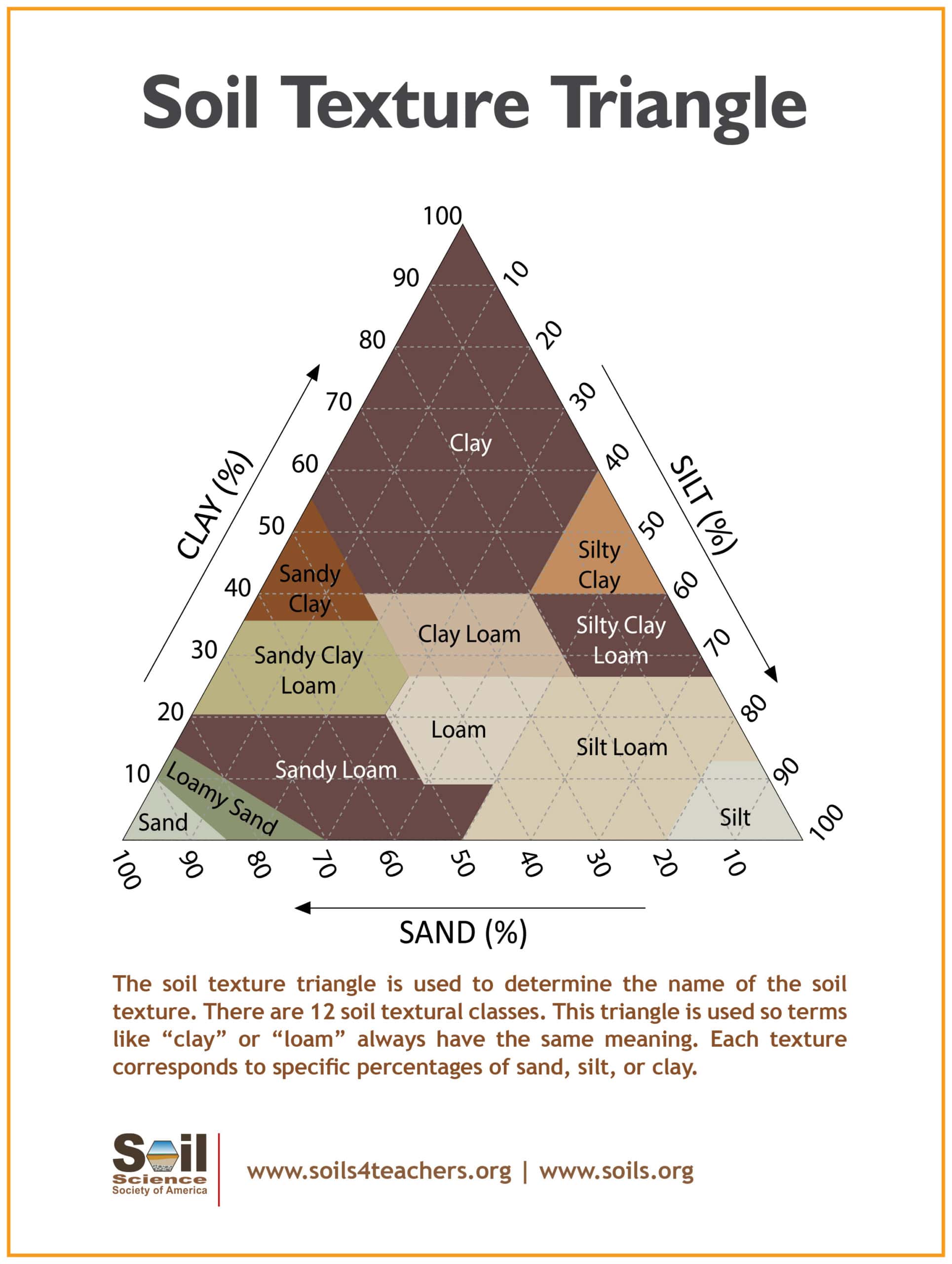
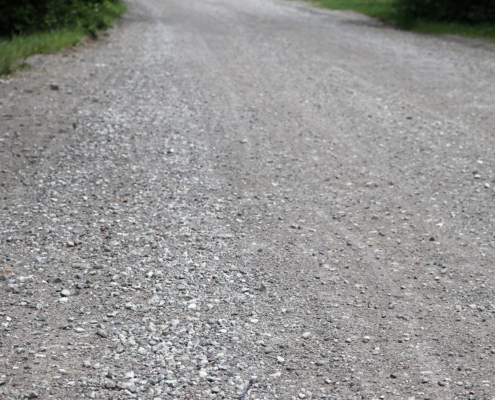
Soil testing changes that. It moves erosion planning from reactive to proactive, giving your team the data needed to choose the right methods, protect your timeline, and stay compliant from day one.

Why Soil Data Is the Foundation of Effective Erosion Control

Most commercial erosion control failures don’t start at the surface. They start below it. Understanding why requires a closer look at how soil composition directly affects the performance of the systems installed on top of it.

Soil Type Determines How Fast Water Moves Through a Site

Sandy soils drain quickly but offer little cohesion, making them highly vulnerable to surface displacement during rain events. Clay-heavy soils, on the other hand, absorb water slowly and are prone to runoff when they become saturated. Silty soils sit somewhere in between and can be especially problematic on slopes where concentrated flow develops quickly.

Without knowing which soil type dominates a given area of your site, it’s nearly impossible to match the right erosion prevention methods to actual site conditions. A silt fence that performs well in a compacted clay zone may be entirely inadequate where looser, more porous material is present just a hundred feet away.

Compaction Levels Affect Infiltration and Runoff Rates

Heavy equipment traffic during commercial construction compacts soil significantly, reducing its ability to absorb rainfall. Compacted zones create localized runoff that can overwhelm sediment control measures that were designed for normal infiltration rates. If you don’t know where compaction is concentrated on your site, you can’t position your best-performing controls where the runoff risk is highest.

The Problem With Standard BMPs Applied Without Soil Context

Best management practices are a starting point, not a complete strategy. This distinction matters more on commercial development sites than anywhere else, because the stakes tied to inspection failures and regulatory penalties are significant.

Silt Fence Without Soil Data Creates Hidden Failure Risk

Silt fence is one of the most commonly installed sediment control measures on commercial sites, and it works well under the right conditions. But its effectiveness depends heavily on the soil it’s installed in and the flow volumes it’s expected to handle. In areas with high-clay content where surface flow accumulates quickly, standard silt fence can become overwhelmed well before the next site inspection.

When that happens, sediment reaches waterways, and you’re looking at a compliance violation that costs far more to remediate than a soil test ever would.

Slope Stabilization Strategies Can’t Be Generalized

Slopes create their own set of variables. Gradient, soil composition, vegetative cover, and the rate at which water concentrates on a given face all influence what slope stabilization approach will actually hold. A steep cut slope with loose, sandy fill material behaves completely differently than a natural grade with established clay content. Applying the same matting or seeding approach to both without soil data means one of them is probably undersupported.

What Soil Testing Actually Tells You, and Why It Matters for Compliance

Soil testing on a commercial site does more than confirm what type of material you’re working with. It gives your erosion control strategy a defensible, data-backed foundation, which is exactly what regulators and inspectors are looking for.

pH and Organic Matter Affect Vegetative Establishment

This connection gets overlooked more than almost anything else in erosion control planning. If hydroseeding is part of your long-term stabilization plan, soil chemistry determines whether that seed actually establishes. Low pH, poor organic matter, or nutrient deficiencies can cause hydroseeded slopes to fail to germinate consistently, leaving bare ground exposed well past the window your SWPPP assumes it’ll be covered.

That’s a compliance risk that doesn’t show up until an inspector walks the site.

Soil Infiltration Rate and Rainfall Intensity Have to Be Matched

In the Northeast, rainfall events can be intense and unpredictable. Soil absorption capacity— specifically how quickly a given soil type can take on water before generating runoff—has to be weighed against realistic rainfall intensity for the region. When those two variables aren’t aligned with your sediment control layout, you end up with flow volumes that exceed what your controls were designed to handle.

Soil testing gives you the infiltration data to size your controls appropriately from the start, rather than realizing they’re undersized after a heavy storm exposes the gap.

Regulatory Inspections Reward Data-Backed Plans

Municipal enforcement of stormwater and sediment regulations varies, but some jurisdictions in our service area inspect aggressively and issue penalties for any visible evidence of sediment discharge. A SWPPP that documents soil conditions, accounts for site variability, and matches controls to actual data is far easier to defend during an inspection than a generic plan. It also demonstrates the kind of proactive due diligence that regulators respond well to.

A solid erosion control strategy starts with understanding what’s actually happening on your site. Whether you’re in early planning or already dealing with sediment issues, we can help you identify the right solution before a storm or an inspector does it for you. Get a free proposal from Varsity and let’s build a plan that’s designed for your site, not just your permit.

Explore Our Erosion Control Solutions

Soil Variability Across a Single Site Is Often Underestimated

One of the most important things to understand about large commercial development is that a single project site can contain multiple distinct soil profiles. What the test shows at the staging area may be completely different from what’s present at the retention pond perimeter or along a graded slope on the opposite end of the property.

Zoned Soil Analysis Leads to Zoned Erosion Control Strategy

When soil testing is done across multiple zones of a commercial site, the result is a nuanced erosion control plan that accounts for where the real risk is concentrated. Some areas may need aggressive slope stabilization combined with high-capacity sediment control measures. Others may be stable enough that standard erosion prevention methods are sufficient. Treating the whole site identically because testing wasn’t done is how projects end up over-spending in low-risk areas and under-protecting the zones that actually generate sediment.

Soil Testing Isn’t an Added Cost—It’s Risk Mitigation

When project managers weigh the cost of soil testing against their overall construction budget, it can look like an unnecessary line item. But the real comparison isn’t testing versus no testing. It’s the cost of a soil test versus the cost of rework, remediation, a failed inspection, or a project delay tied to an uncontrolled sediment discharge event.

On a commercial site operating under a SWPPP and subject to regulatory oversight, those risks are real and quantifiable. Soil testing is what moves your erosion control plan from a generic compliance checkbox to a system that’s actually designed to perform under the specific conditions of your site.

Build a Smarter Erosion Control Plan From the Ground Up

Commercial project managers who treat erosion control as a strategic function rather than just a site requirement tend to have fewer surprises, cleaner inspections, and faster stabilization timelines. Soil testing is one of the most direct ways to get there.

At Varsity, we approach erosion control as a long-term site performance issue, not just an installation job. We work with project managers and general contractors to evaluate site conditions, match the right erosion prevention methods to actual soil data, and build plans that hold up under both weather events and regulatory scrutiny. If you’ve got a commercial project in the planning stage or a site that’s already showing sediment control issues, let’s talk .

Share This Post

  • Share on Facebook
  • Share on X
  • Share on WhatsApp
  • Share on Pinterest
  • Share on LinkedIn
  • Share on Tumblr
  • Share on Vk
  • Share on Reddit
  • Share by Mail

More Like This

storm water drain

Stormwater Management for Commercial Properties: The Complete Guide

Erosion Control, Stormwater Management
https://varsityinc.net/wp-content/uploads/2025/11/storm-water-drain.jpg 1250 2000 AbstraktMarketing /wp-content/uploads/2020/02/Varsity_WebLogo-300x85.png AbstraktMarketing2025-11-10 11:24:292026-05-18 16:26:15Stormwater Management for Commercial Properties: The Complete Guide
Erosion Control Net Blanket

Signs Your Property Needs Immediate Commercial Erosion Control

Commercial Landscaping, Erosion Control
https://varsityinc.net/wp-content/uploads/2025/05/Erosion-Control-Net-Blanket.jpg 1250 2000 AbstraktMarketing /wp-content/uploads/2020/02/Varsity_WebLogo-300x85.png AbstraktMarketing2025-05-30 15:32:142026-05-18 16:26:15Signs Your Property Needs Immediate Commercial Erosion Control
Preventing Soil Erosion: Erosion Control for Steep Slopes

Preventing Soil Erosion: Erosion Control for Steep Slopes

Erosion Control
https://varsityinc.net/wp-content/uploads/2024/07/Preventing-Soil-Erosion-Erosion-Control-for-Steep-Slopes.jpg 1250 2000 AbstraktMarketing /wp-content/uploads/2020/02/Varsity_WebLogo-300x85.png AbstraktMarketing2024-07-24 16:55:482026-05-18 16:26:16Preventing Soil Erosion: Erosion Control for Steep Slopes
Underside view of Chicago City Train Bridge

Understanding Erosion Control Challenges in Urban Environments

Erosion Control
https://varsityinc.net/wp-content/uploads/2024/03/Underside-view-of-Chicago-City-Train-Bridge.jpg 1250 2000 AbstraktMarketing /wp-content/uploads/2020/02/Varsity_WebLogo-300x85.png AbstraktMarketing2024-03-11 13:45:422026-05-18 16:26:16Understanding Erosion Control Challenges in Urban Environments
Soil erosion on a creek bank

Erosion Control Considerations: What Is Soil Infiltration Rate?

Erosion Control
https://varsityinc.net/wp-content/uploads/2023/08/Soil-erosion-on-a-creek-bank.jpg 1250 2000 AbstraktMarketing /wp-content/uploads/2020/02/Varsity_WebLogo-300x85.png AbstraktMarketing2023-08-23 09:00:002026-05-18 16:26:16Erosion Control Considerations: What Is Soil Infiltration Rate?

Erosion Control Matting

Erosion Control
https://varsityinc.net/wp-content/uploads/2023/08/A-Guide-to-Using-Erosion-Control-Matting_.jpg 1250 2000 AbstraktMarketing /wp-content/uploads/2020/02/Varsity_WebLogo-300x85.png AbstraktMarketing2023-08-07 09:00:002026-05-18 16:26:16Erosion Control Matting
Erosion control blanket, soil net

How To Install Erosion Control Blankets

Erosion Control
https://varsityinc.net/wp-content/uploads/2022/12/Erosion-control-blanket-soil-net.jpg 1250 2000 AbstraktMarketing /wp-content/uploads/2020/02/Varsity_WebLogo-300x85.png AbstraktMarketing2022-12-06 09:00:352026-05-18 16:26:16How To Install Erosion Control Blankets

Why You Would Use a Filter Sock

Erosion Control
https://varsityinc.net/wp-content/uploads/2022/08/Catch-Basin-Sock.jpg 1250 2000 AbstraktMarketing /wp-content/uploads/2020/02/Varsity_WebLogo-300x85.png AbstraktMarketing2022-08-02 09:00:362026-05-18 16:26:16Why You Would Use a Filter Sock
Tips on Controlling Erosion

How To Prevent Soil Erosion on Steep Slopes

Erosion Control
https://varsityinc.net/wp-content/uploads/2022/03/April-Blog-1-Image.jpg 1250 2000 AbstraktMarketing /wp-content/uploads/2020/02/Varsity_WebLogo-300x85.png AbstraktMarketing2022-05-02 09:00:002026-05-18 16:26:16How To Prevent Soil Erosion on Steep Slopes
Previous Previous Previous Next Next Next

Categories

  • Advanced Commercial Landscaping
  • Commercial Landscaping
  • Commercial Properties
  • Commercial Real Estate
  • Commercial Snow removal
  • Erosion Control
  • Future Trends
  • Irrigation
  • Landscaping Services
  • Property Value
  • ROI
  • Site Maintenance
  • Snow and Ice Removal
  • Sod Installation
  • Soil Stabilization
  • Spring clean up
  • Stormwater Management
  • Thought Leadership
  • Uncategorized

Contact Us

"*" indicates required fields

Varsity Inc. has been providing a full range of landscape related services to the Northeast commercial and industrial markets since 1974.

Services

Commercial Landscaping

Erosion Control Services

Site Maintenance

Snow Removal

Headquarters

1204 Main Street
Swoyersville, PA 18704

Branch:
Route 220
Dushore, PA 18648

Contact Us

Phone: 570-288-5269

Fax: 570-283-2725

Click To Email >>

Website by Abstrakt Marketing Group © 2022
  • LinkedIn
  • Sitemap
  • Privacy Policy
Link to: Commercial Irrigation System Costs: Upfront, Ongoing & Hidden Expenses Explained Link to: Commercial Irrigation System Costs: Upfront, Ongoing & Hidden Expenses Explained Commercial Irrigation System Costs: Upfront, Ongoing & Hidden Expenses ... Link to: The Complete Spring Yard Cleanup Checklist for Commercial Properties Link to: The Complete Spring Yard Cleanup Checklist for Commercial Properties Worker using leaf blower to clear landscape trimmings from walkwayThe Complete Spring Yard Cleanup Checklist for Commercial Properties
Scroll to top Scroll to top Scroll to top

This site uses cookies. By continuing to browse the site, you are agreeing to our use of cookies.

OKLearn more

Cookie and Privacy Settings


How we use cookies

We may request cookies to be set on your device. We use cookies to let us know when you visit our websites, how you interact with us, to enrich your user experience, and to customize your relationship with our website.

Click on the different category headings to find out more. You can also change some of your preferences. Note that blocking some types of cookies may impact your experience on our websites and the services we are able to offer.

Essential Website Cookies

These cookies are strictly necessary to provide you with services available through our website and to use some of its features.

Because these cookies are strictly necessary to deliver the website, refusing them will have impact how our site functions. You always can block or delete cookies by changing your browser settings and force blocking all cookies on this website. But this will always prompt you to accept/refuse cookies when revisiting our site.

We fully respect if you want to refuse cookies but to avoid asking you again and again kindly allow us to store a cookie for that. You are free to opt out any time or opt in for other cookies to get a better experience. If you refuse cookies we will remove all set cookies in our domain.

We provide you with a list of stored cookies on your computer in our domain so you can check what we stored. Due to security reasons we are not able to show or modify cookies from other domains. You can check these in your browser security settings.

Other external services

We also use different external services like Google Webfonts, Google Maps, and external Video providers. Since these providers may collect personal data like your IP address we allow you to block them here. Please be aware that this might heavily reduce the functionality and appearance of our site. Changes will take effect once you reload the page.

Google Webfont Settings:

Google Map Settings:

Google reCaptcha Settings:

Vimeo and Youtube video embeds:

Accept settingsHide notification only